Introduction
Perforated metal offers innovative solutions for the construction industry. As buildings become more complex, the need for versatile materials increases. Perforated metals can improve aesthetics, enhance performance, and reduce weight in structures. This article explores the future of perforated metal, highlighting how it meets industry demands. We will discuss its benefits, applications, and environmental impact. With the rise of sustainable building practices, perforated metal is becoming a popular choice among manufacturers and architects. 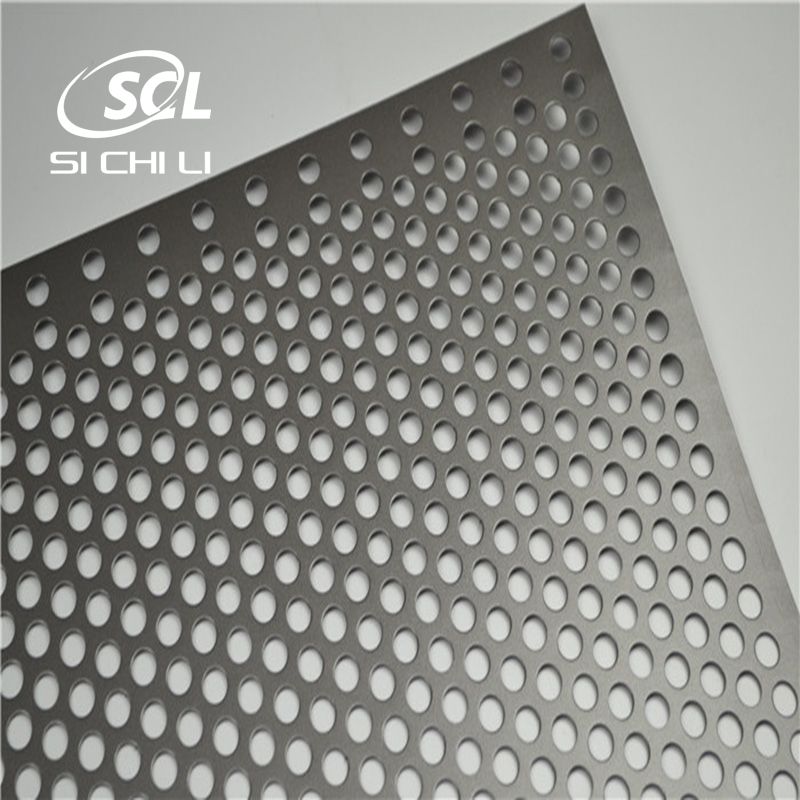
Summary Answer
**The future of perforated metal in construction is promising. It offers a lightweight alternative, customizable designs, and enhances ventilation while being eco-friendly.**
1. Benefits of Perforated Metal
- Customization
- Lightweight Design
- Enhanced Ventilation
Customization
Perforated metal comes in many shapes and sizes. This allows architects to create unique designs. The flexibility in design means that buildings can stand out and meet specific needs.
Lightweight Design
Perforated metals are lighter than solid metals. This reduces strain on the structure. A study shows that using perforated sheets can lower the overall weight of a building by up to 30%. This is critical in modern construction.
Enhanced Ventilation
Improved airflow is another major benefit. Perforated metals can act as filters, allowing air to circulate. This property can help in reducing energy costs for cooling and heating in buildings. Case studies show a decrease in energy consumption by over 20% in buildings using perforated panels for airflow.
2. Applications in Construction
- Facade Design
- Ceiling Panels
- Guardrails
Facade Design
Many architects are using perforated metals for building facades. They offer a modern look and effective shading. This combination helps in minimizing solar heat gain and reduces the need for air conditioning.
Ceiling Panels
Perforated metal ceilings improve acoustics in large spaces. They can absorb sound, making buildings quieter. This is especially useful in offices and auditoriums.
Guardrails
Perforated metal is also used in guardrails. They are strong yet provide visibility and security. They combine safety with aesthetic appeal.
3. Environmental Impact
- Recyclable Materials
- Energy Efficiency
- Reduced Waste
Recyclable Materials
Perforated metals can be made from recycled materials. This reduces the demand for new resources. Using recycled metals can lessen the environmental footprint of construction.
Energy Efficiency
Energy efficiency is a crucial factor. Using perforated metal can lead to lower energy costs. Structures using perforated materials show improved energy ratings, further promoting sustainable practices in construction.
Reduced Waste
Less material is wasted when using perforated metals. The manufacturing process allows for better resource management. Studies show a cut in manufacturing waste by approximately 25%.
Conclusion
The future of perforated metal in construction is bright. Its benefits include customization, lightweight design, and enhanced ventilation. As buildings evolve, so do the materials we use. Perforated metals are paving the way for modern construction, offering eco-friendly solutions and aesthetic versatility.
FAQ
What is perforated metal? Perforated metal is a sheet of material with holes punched through it, allowing for various applications in construction.
How does perforated metal benefit construction? It offers design flexibility, reduces weight, and enhances ventilation while being eco-friendly.
Is perforated metal recyclable? Yes, perforated metal can be made from recycled materials and is recyclable itself.
Where is perforated metal commonly used? It is used in facades, ceilings, guardrails, and many other applications.
Can perforated metal improve energy efficiency? Yes, using perforated metal can lower energy costs through better ventilation and insulation properties.
How does perforated metal impact acoustics? It can absorb sound, making spaces quieter – a significant advantage in offices and public buildings.


